Sovereign AI: Control Over the Intelligence Layer
Sovereign AI is the capacity of a nation, institution, or allocator to develop, deploy, operate, and govern artificial intelligence systems under its own control: infrastructure, data, models, and processes aligned with its own rules, security requirements, and strategic priorities.

What is sovereign AI?
Sovereign AI is the ability of a nation, institution, or allocator to develop, deploy, operate, and govern AI systems under its own control, across infrastructure, data, models, and processes. It goes beyond data residency: true sovereignty means retaining authority across the full AI lifecycle, from the physical compute that powers models, to the operational decisions that govern them, to the legal and commercial structures that protect ownership and value.
At Raion, we treat AI compute itself as the foundational asset class that makes Sovereign AI possible.
Raion designs every element of its capital circuit around this principle. Capital enters client-controlled SPVs. Funds are released only against verified project milestones. Infrastructure is modular, standardized, and specified against multiple leading vendors.
The result is AI infrastructure that supports genuine operational and legal sovereignty rather than dependency.
Sovereign AI and sovereign cloud are not the same thing. A sovereign cloud keeps data and workloads inside a chosen jurisdiction under local law. Sovereign AI is broader: it covers the compute, the models, and the decision rights over how AI systems are trained, run, and changed.
Data sovereignty is necessary but not sufficient. Data sovereignty concerns where data sits and which laws reach it. Without control of the compute layer beneath it, national AI capability still depends on infrastructure someone else owns and can reprice, restrict, or withdraw.
One capital circuit, three disciplines.

Modular AI infrastructure
Standardized 0.5 MW modular data center shells, specified against multiple leading vendors and deployed in precise increments.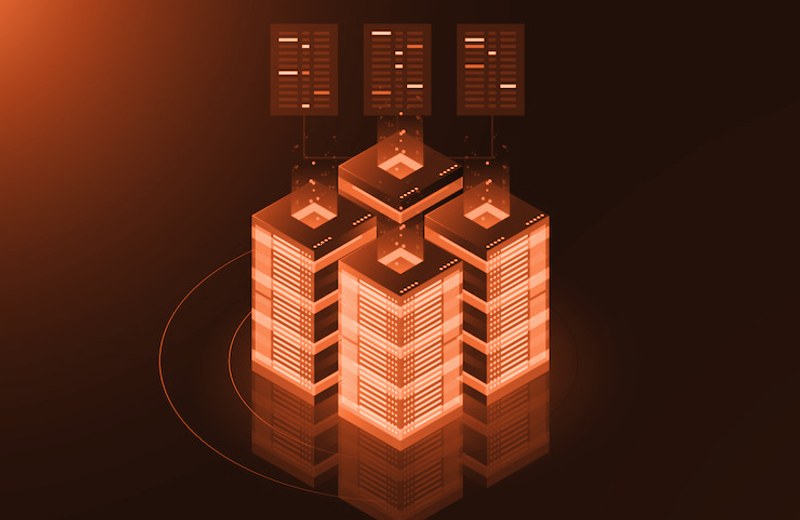
Capital structures you control
Special purpose vehicles under British common law. The client holds the vehicle, the decision rights, and the assets.
Funding released on proof
Funds release only against verified project milestones, with independent verification designed in from the outset.The dimensions of sovereignty that matter for infrastructure
Sovereignty is multi-layered. These are the most critical dimensions for capital allocators and operators.

Territorial
Where the compute and data physically reside, in jurisdictions you choose.

Operational
Who controls the systems, who can release capital or approve milestones, and who can intervene.
Technological
Ownership or assured access to the hardware stack, redundancy across vendors, and freedom from single counterparty dependency.

Legal and Structural
Jurisdiction, vehicle design, and contractual rights that keep assets ring-fenced and client-controlled.
Raion designs every element of its capital circuit around these four dimensions. Client-controlled vehicles, milestone-gated funding, and multi-vendor specification embed territorial, operational, technological, and legal control from day one.
Why sovereign AI infrastructure is becoming essential.
Global AI capability remains concentrated. Institutions and nations increasingly require:
McKinsey and others estimate that sovereignty considerations will influence a substantial share of future AI spending. The constraint is no longer just model innovation. It is the ability to secure, finance, and control the underlying powered infrastructure at the right scale and speed.
Modular AI shells in standardized increments, such as 0.5 MW, solve the footprint, permitting, and capital-deployment challenges that traditional hyperscale approaches create for private allocators. Vendor redundancy removes single points of failure. Client-controlled vehicles and independent verification embed control from day one.
The constraint is no longer model innovation. It is the ability to secure, finance, and control the underlying powered infrastructure at the right scale and speed.
Sovereignty as a spectrum, infrastructure as the base layer.
Full technological isolation is rarely practical or optimal. Effective sovereignty is a deliberate posture: control where it is critical, partnership where it accelerates progress, and the contractual and technical ability to reconfigure if circumstances change.
Raion focuses on the base layer that makes higher levels of sovereignty achievable.
Modular, rapidly deployable powered AI infrastructure.
Standardized shells arrive powered and ready, deployed in precise increments instead of oversized, inflexible build-outs.
This approach allows institutions to secure dedicated capacity, maintain data and operational control, and scale in precise increments rather than committing to oversized, inflexible build-outs.
Built for the people who need control.
Sovereign Partners
Territorial certainty over where national compute and data physically reside.
→Institutions
Diligence-ready access to high-density compute, structured to pass review.
→Family Offices
Direct, ring-fenced ownership rather than exposure to someone else's platform.
→Operators
Standardized deployment against multi-vendor specifications, free of single counterparty dependency.
How Raion enables sovereign AI infrastructure.
 Operating model
 Outcome
Sovereign AI, answered.
What is sovereign AI?
Sovereign AI is the capacity of a nation, institution, or allocator to develop, deploy, operate, and govern artificial intelligence systems under its own control, using infrastructure, data, models, and processes aligned with its own rules, security requirements, and strategic priorities.
How is sovereign AI different from data residency?
Data residency only answers where data is stored. Sovereign AI covers the full AI lifecycle: the physical compute that powers models, the operational decisions that govern them, and the legal and commercial structures that protect ownership and value. A workload can sit on local servers and still leave you dependent on a foreign operator's pricing, policy, and access decisions.
What is the difference between sovereign AI and a sovereign cloud?
A sovereign cloud keeps data and workloads inside a chosen jurisdiction under local law, usually on a hyperscaler's platform. Sovereign AI is broader. It covers the physical compute the models run on, the models themselves, and the decision rights over how those systems are trained, operated, and changed. A sovereign cloud can be one component of sovereign AI, but on its own it leaves the compute layer in someone else's hands.
What is data sovereignty, and is it enough on its own?
Data sovereignty concerns where data sits and which laws reach it. It is necessary for sovereign AI but not sufficient. Without ownership of, or assured access to, the compute layer beneath it, national AI capability still depends on infrastructure another party owns and can reprice, restrict, or withdraw. Sovereign AI infrastructure closes that gap by putting the powered compute inside structures the client controls.
What are the dimensions of AI sovereignty?
Four dimensions matter most for infrastructure. Territorial: where the compute and data physically reside. Operational: who controls the systems, who can release capital or approve milestones, and who can intervene. Technological: ownership or assured access to the hardware stack, with vendor redundancy. Legal and structural: jurisdiction, vehicle design, and contractual rights that keep assets ring-fenced and client-controlled.
Why does sovereign AI infrastructure matter now?
Global AI capability remains concentrated in a few operators. Institutions and nations need protection for proprietary IP and sensitive workloads, independence from foreign legal reach and vendor policy changes, predictable access to high-density compute, and structures they can underwrite with confidence. The constraint is no longer model innovation; it is the ability to secure, finance, and control the underlying powered infrastructure.
How does Raion structure sovereign AI infrastructure?
Raion structures capital from institutions and private allocators for modular AI infrastructure. Projects run through Special Purpose Vehicles that clients control, structured under British common law in the United Kingdom and Gibraltar, and deployed into standardized GPU-powered shells of around 0.5 MW with multi-vendor specification. Capital is released only against verified project milestones.
Does Raion operate the AI systems it finances?
No. Raion finances and structures the compute foundation that sovereign AI requires. We do not operate the end AI systems. Professional advisers perform operational due diligence before capital moves, and reporting, verification, and control mechanisms are designed to pass that review from the outset.
Is Raion part of the UK government Sovereign AI fund?
No. Sovereign AI is also the name of a venture fund launched by the UK government in April 2026. Raion is unrelated to it: an independent private company that structures capital for sovereign AI infrastructure through client controlled SPVs. Raion is not a government body, not a public fund, and not regulated.
Is Raion a fund?
No. Raion is not regulated. Raion Limited is an ordinary Gibraltar company, and the vehicles described are private contractual structures for professional counterparties. They are not funds offered to the public and do not benefit from any investor protection scheme.
REQUEST MARKET REPORT
Ask for the Phase One study before capital moves.
Structure & Economics. Operating model note. AI-native operations note. Leadership & team note. Available on request.